
Caring for a Coastal Home: Salt Air, Sun and Sea Breeze
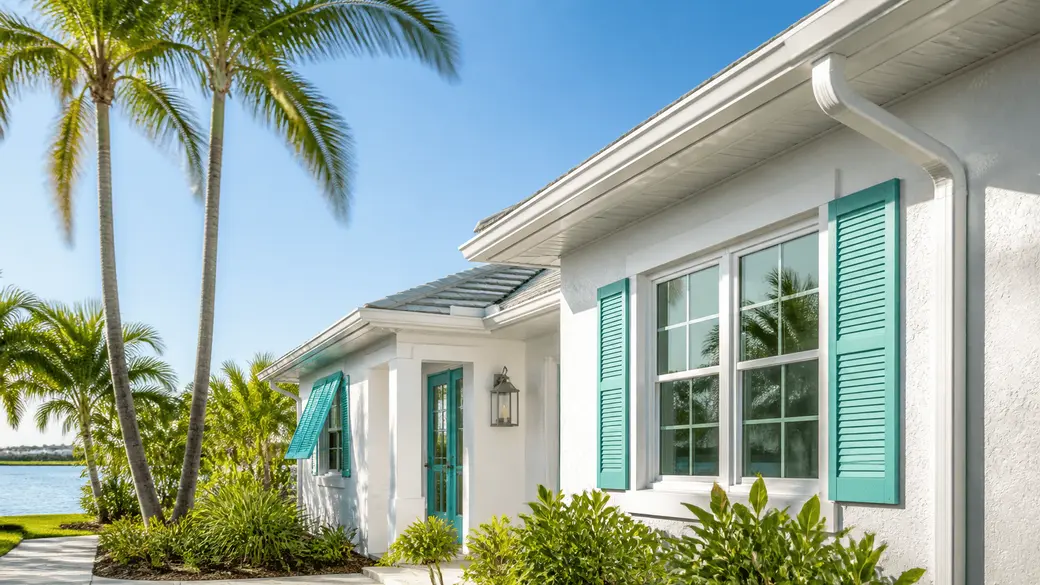
Owning a home near the Long Beach coast comes with undeniable perks — the breeze, the light, the short walk to the sand. It also comes with a maintenance rhythm that's a little different from an inland property. Salt air, constant sun exposure, and sea breeze all take a toll over time, but a little regular attention goes a long way toward keeping a coastal home looking and performing its best.
Exterior Paint Needs More Frequent Attention
Salt in the air can break down exterior paint and finishes faster than in non-coastal areas. It's worth inspecting your home's exterior paint at least once a year, looking for chalking, peeling, or fading, especially on walls that face the ocean directly. When it's time to repaint, choosing a marine-grade or coastal-rated exterior paint can extend the life of the job significantly compared to a standard formula.
Windows and Screens Take the Brunt of It
Window frames, especially metal ones, are particularly vulnerable to salt corrosion. Rinsing windows and frames periodically with fresh water helps remove salt buildup before it has a chance to do damage. Screens can also degrade faster near the coast, so it's worth checking them each season for rust spots or brittleness. A simple rinse-down routine after a particularly salty or windy stretch of weather can meaningfully extend the life of both.
Roof and Gutters Deserve a Closer Look
Sea breeze carries moisture and salt that can accelerate wear on roofing materials and metal gutters. Regular gutter cleaning prevents debris buildup that holds moisture against the roofline, and a periodic visual inspection — or a professional one every couple of years — can catch early signs of corrosion or wear before they turn into bigger repairs. Flashing and any exposed metal fasteners are worth a close look too, since these are often the first places salt exposure shows up.
HVAC Filters Work Harder Near the Coast
Salt and sand particles in the air mean HVAC systems in coastal homes often need more frequent filter changes than their inland counterparts. Checking filters monthly rather than waiting for a seasonal reminder can help the system run efficiently and avoid strain on components that are already dealing with a more corrosive environment. It's a small habit that protects a bigger investment.
Outdoor Living Spaces Need Durable Materials
Patios, decks, and outdoor furniture are often the main draw of coastal living, so it makes sense to choose materials that can handle the environment. Stainless steel or marine-grade hardware, sealed or coastal-rated wood finishes, and fabrics designed to resist fading and mildew all hold up better against sun and salt than standard options. A little extra thought at the time of purchase saves a lot of replacement and refinishing down the line.
A Little Routine Goes a Long Way
None of this maintenance is complicated, but it does ask for consistency. A coastal home rewards owners who stay a step ahead of the elements rather than reacting after damage appears. If you're searching for a coastal property and want to understand what kind of upkeep a particular home might need, request a home evaluation or reach out to our team — we're happy to walk through it with you.
Categories
Recent Posts