Buying Near the Water: What to Know Before You Tour the Coast
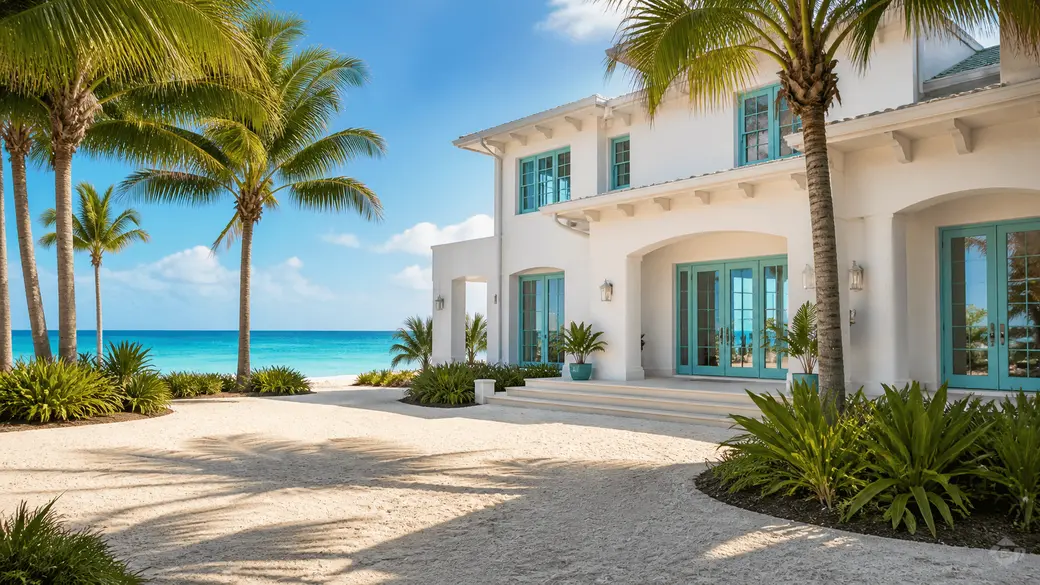
There's something different about shopping for a home near the ocean. The salt air, the sound of the waves, the way light bounces off a canal or bay — it's easy to get swept up in the feeling of a place before you've asked the practical questions that matter just as much. Here's what we encourage buyers to think through before touring Long Beach's coastal pockets.
Salt Air Means a Closer Look at Inspections
Homes near the water are exposed to conditions that inland properties simply don't deal with. Salt in the air can accelerate wear on exterior paint, metal fixtures, window frames, and roofing materials over time. That doesn't mean a coastal home is a risky buy — it means the inspection should pay particular attention to these areas. Ask your inspector to look closely at any exposed metal, the condition of window seals, and signs of corrosion around plumbing or electrical fixtures that sit near exterior walls. A home that's been well maintained against these elements will show it, and one that hasn't is worth knowing about before you're under contract.
Ask the Right Questions About Flood Zones and Insurance
Proximity to the water can also mean proximity to a flood zone, and that has real implications for insurance. Before you fall for a particular street or block, ask what flood zone the property sits in and what that has historically meant for insurance requirements. It's a conversation worth having early, since insurance considerations can affect your overall monthly cost of ownership. We always encourage buyers to loop in an insurance agent alongside their lender so there are no surprises later in the process.
Parking and HOA Realities
Beach proximity often comes with trade-offs that aren't obvious from photos. Some coastal streets have limited driveway space or rely on permit parking, especially in denser pockets near the sand. If a property is part of an HOA — common in some condo buildings and planned communities along the coast — it's worth understanding what that covers, what it costs, and what rules apply to things like rentals or exterior modifications. These details rarely show up in a listing description, so they're worth asking about directly.
Why Touring Beats Scrolling
Photos can make almost any coastal property look appealing, but they don't tell you how a street actually feels at 9 a.m. on a Tuesday versus a Saturday afternoon. They don't capture how far you'll really be walking to the sand, how much traffic noise carries from a nearby avenue, or how a canal-front home compares to one a few blocks inland. We find that touring two or three coastal towns in a single afternoon — say, a stretch of Belmont Shore, then Naples, then a quieter pocket further from the water — gives buyers a much clearer sense of what fits than scrolling through listings ever could. The differences between neighborhoods that look similar online often become obvious the moment you're standing on the street.
Let's Plan Your Coastal Tour
If you're starting to think seriously about buying near the water, we're happy to put together a tour that covers a few different coastal neighborhoods in one visit so you can compare them side by side. Browse current coastal listings or reach out to our team to get started.
Categories
Recent Posts